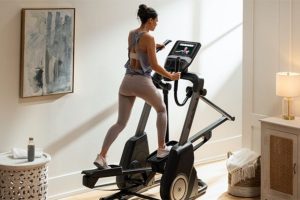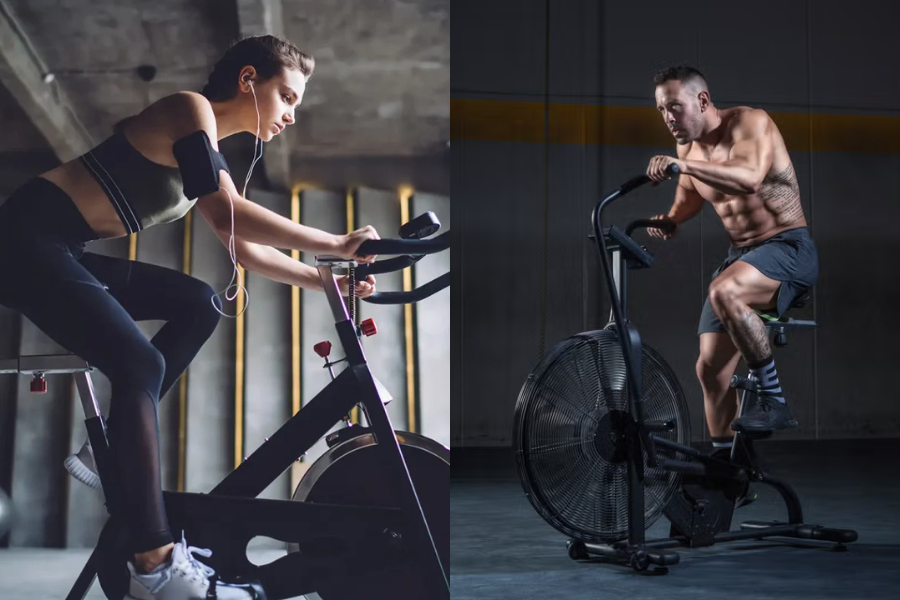
A stationary bike is one of the easiest ways to start cardio if you want to lose weight, boost your health, and protect your joints. An exercise bike workout for beginners lets you control speed and resistance, so you can push yourself without overdoing it. It also delivers heart health benefits similar to walking, running, or using the elliptical while staying gentle on your knees and hips (Verywell Fit).
Below, you will find a simple, step‑by‑step plan you can try today, plus form tips and ways to progress once you feel stronger.
Why an exercise bike is great for beginners
If you are new to working out or coming back after a break, a stationary bike keeps the barrier to entry low. You sit down, start pedaling, and adjust the resistance to match how you feel.
Stationary biking is considered low impact. The smooth circular motion reduces stress on your joints compared with running, which is especially helpful if you have chronic joint pain or cannot comfortably jog anymore (Garage Gym Reviews). Recumbent bikes, which have a reclined seat and back support, are often recommended if you have limited mobility, back pain, or joint issues because they reduce strain on your upper body and spine (Healthline).
A regular exercise bike workout for beginners offers several benefits at once. You improve cardiovascular fitness, since cycling raises your heart rate in an aerobic way that supports heart health and is comparable to running or other cardio workouts (Garage Gym Reviews). You also build lower body strength in your hamstrings, quads, glutes, and calves, and if you use an air bike, your upper body works too (Garage Gym Reviews).
How long you should ride as a beginner
When you are just starting, the focus should be on consistency, not perfection. It is better to ride for shorter periods several times a week than to do one long intense session and then need days to recover.
Several sources recommend similar starting points for an exercise bike workout for beginners:
- Start with just a few minutes and build up as it feels easier (Verywell Fit)
- Aim for 15 to 20 minutes per ride, 3 to 5 days a week, and gradually increase to 30 to 45 minutes on 5 days per week (NordicTrack)
- Build up to at least three cardio workouts per week to improve endurance and burn calories while reducing the risk of overuse injuries (Verywell Fit)
Once you can ride comfortably for about 30 minutes, you are meeting the minimum recommended daily exercise duration for general health, and you can extend the time or add intervals to keep progressing (Verywell Fit).
Set up your bike for comfort and safety
Proper bike setup makes your ride more comfortable and helps prevent knee, hip, and back strain.
Adjust the seat height
An incorrectly set saddle is one of the fastest ways to get injured. Beginners are advised to:
- Set the seat so it is about level with your hip bone when you stand next to the bike
- When you pedal, your knee should have a slight bend at the bottom of the stroke, not be fully locked out
If the seat is too high, your knees may overextend and your lower back can feel strained. If it is too low, you may put extra pressure on your knees. Studies on cycling biomechanics support getting saddle height right to reduce injury risk and improve performance (NordicTrack, ProForm).
Check the handlebars and posture
Set the handlebars so you can sit upright with a relaxed spine, slightly bent elbows, and no hunching. A comfortable position might differ a bit by body type, but in general you want to:
- Keep your butt on the seat rather than leaning heavily on the bars
- Rest your hands lightly on the handlebars so your shoulders, neck, and arms can stay relaxed
- Maintain a slight forward lean from the hips instead of rounding your back
This relaxed riding posture helps reduce muscle fatigue and soreness (NordicTrack, ProForm).
Choose the right resistance and cadence
Start with light resistance that lets you pedal smoothly. Very high resistance makes it hard to turn the pedals, can increase knee strain, and even risk damaging the bike, so a moderate level is safer for beginners (NordicTrack).
Aim for a steady cadence between about 80 and 120 revolutions per minute. This range provides good cardio benefits without the loss of control that can come from pedaling too fast (NordicTrack).
A simple 25 to 30 minute beginner bike workout
You can use this exercise bike workout for beginners on almost any stationary bike. Adjust the times slightly if you need a shorter or longer session.
-
Warm up: 5 minutes
Pedal at very light resistance. Your pace should feel easy enough that you can talk in full sentences. Use this time to settle into your posture and breathing. -
Steady riding: 10 minutes
Increase the resistance to a comfortable but moderate effort. You should feel your heart rate go up and your breathing deepen, but you should still be able to speak a full sentence without gasping. This section helps build your aerobic base, which is key for long term cardio fitness (Reddit Fitness). -
Gentle intervals: 8 to 10 minutes
Alternate between:
-
3 minutes at your steady, baseline effort
-
2 minutes slightly harder, where talking in full sentences is possible but more challenging
Repeat this pattern one or two times depending on how you feel. This progression from a basic 20 minute ride to adding intervals is a recommended way to grow your workout toward 30 minutes (Verywell Fit).
- Cool down: 5 minutes
Lower the resistance and pedal slowly. Let your breathing and heart rate come down gradually. After you get off the bike, spend several minutes stretching your quads, hamstrings, calves, and hips. A proper cool down and static stretching routine can reduce soreness, support recovery, and prevent blood from pooling in your legs (ProForm).
If this workout feels too long, start with the warm up plus 5 to 10 minutes of steady riding and a short cool down, then add a minute or two each session as your stamina increases (Healthline).
Breathing, hydration, and recovery basics
Small habits around your workout can make it feel easier and more effective.
During lower to moderate intensity sections, try inhaling through your nose and exhaling through your mouth. At higher intensities, breathing more through your mouth helps deliver oxygen to your muscles so you can keep up the effort (ProForm).
Hydration is also important. Losing even about 2 percent of your body weight in fluid can affect performance. Water helps regulate body temperature, move nutrients, and keep joints lubricated. The American Council on Exercise provides specific timing guidelines, such as drinking before, during, and after workouts, which can be a helpful reference (ProForm).
Finally, give your body time to recover. If your rides are intense, aim for at least one rest day per week so your muscles can repair and adapt. Casual low intensity rides can be done more often, but listening to how your legs and energy feel will help you decide when to rest (NordicTrack).
How to progress your bike workouts over time
As the exercise bike workout for beginners starts to feel easier, you have several options to keep making progress, especially if weight loss or improved fitness is your goal.
You might first add a few minutes to the steady riding portion of your workout, increasing your total time by one minute per session until you reach about 30 to 45 minutes. This gradual increase is a safe way to build stamina without jumping into very hard intervals right away (Healthline).
You can also:
- Add more interval cycles in the middle of your ride, for example repeating the baseline and harder efforts a third time
- Slightly increase resistance during the harder intervals once your joints feel ready
- Ride more days per week, up to around five sessions, as long as your body is recovering well (NordicTrack)
For variety and motivation, you might try guided workouts through apps like Zwift, TrainerRoad, or Peloton. These can provide structure and help maintain fun and consistency, which is key for long term results (Reddit Fitness).
If weight loss is a main goal, pairing your cycling routine with strength training and a modest calorie deficit of about 300 to 500 calories per day can support better results. A combined approach of nutrition, cardio, and strength often works better than relying on cardio alone (NordicTrack).
If you are new to exercise, take medications, or have medical concerns, check with your doctor before starting a new stationary bike routine, especially if you plan to work at higher intensities (Healthline).
Putting it all together
To start feeling the benefits, you do not need anything complicated. Adjust your bike so your knees are slightly bent at the bottom of each pedal stroke, sit tall with relaxed shoulders, and choose a resistance that lets you pedal smoothly.
Then try a 25 to 30 minute exercise bike workout for beginners that includes an easy warm up, a steady riding block, a couple of gentle intervals, and a cool down with stretching. Ride this routine 3 to 5 times a week, add time or intervals as it gets easier, and pair your cycling with smart recovery and hydration habits.
The most important step is your first ride. Set your timer, press start, and focus on how you feel after you finish.