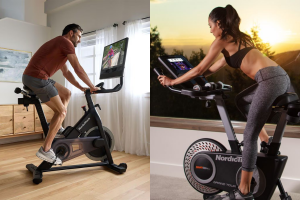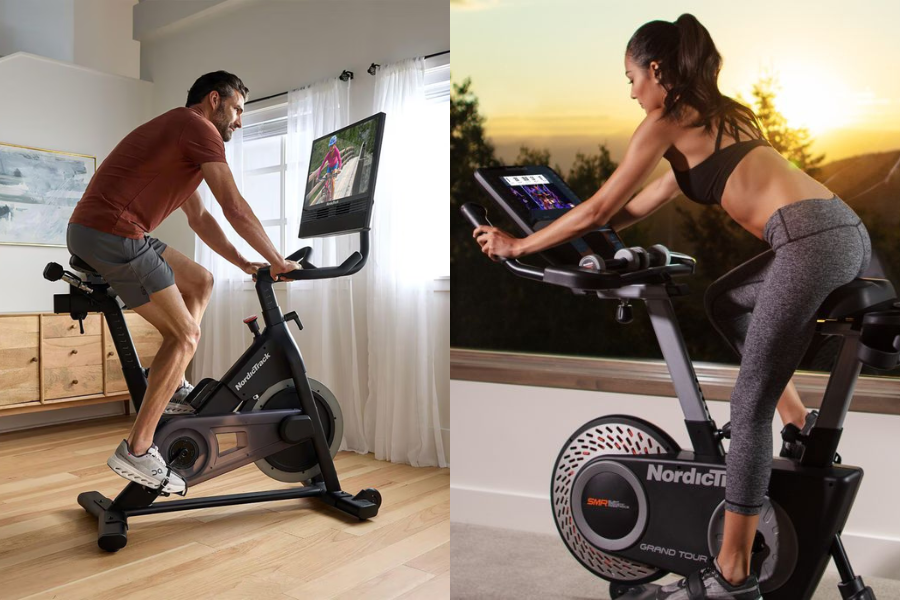
A stationary bike can be one of the most helpful tools in your home if you want to lose weight, improve your health, and protect your joints at the same time. The right exercise bike training programs give you structure, variety, and a clear path to getting fitter without spending hours at the gym.
Below, you will find simple, enjoyable exercise bike training programs that you can follow whether you are a beginner or already fairly active. You will also learn how to warm up, cool down, and adjust your plan as you get stronger so you see real progress and avoid burnout.
Understand why exercise bike training works
Exercise bike training programs are popular for good reason. You get effective cardio that is easier on your joints than running, plus you can ride at home regardless of weather or daylight.
Research shows that indoor cycling can improve your aerobic capacity, body composition, blood pressure, and cholesterol, especially when you pair your rides with healthy eating habits (Bicycling). Stationary bike workouts also work several large muscle groups at once, including your glutes, quadriceps, and hamstrings, which helps you burn calories efficiently while staying low impact (Bicycling).
Because you control resistance and speed, you can tailor each workout to your current fitness level. Beginners can start with short, gentle rides, and more advanced riders can use intervals and hill simulations to push their limits (Verywell Fit).
Set realistic goals before you start
Before you follow any exercise bike training programs, it helps to be clear on what you want. You are more likely to stick with your routine if you have a specific target and a timeline.
You can use the SMART framework, which means setting goals that are Specific, Measurable, Achievable, Relevant, and Time bound. This is a common approach in structured cycling programs and helps you track progress in a meaningful way (JOIN Cycling Tips).
For example, you might choose goals like:
- Ride 20 minutes on the bike 3 times per week for the next 4 weeks
- Lose 5 pounds over the next 8 to 12 weeks through cycling and nutrition
- Increase your longest ride from 20 minutes to 45 minutes by the end of the season
Once you know your goal, you can pick the program below that matches your starting point and adjust the length or intensity as you progress.
Warm up and cool down every time
A short warm up and cool down might feel skippable, but they are key parts of any safe and effective exercise bike training program.
Warm ups gradually increase your heart rate, improve oxygen uptake, and help your muscles and joints move comfortably, which sets you up for a better main workout (JOIN Cycling Tips). Cool downs help your heart rate return to normal, support circulation, and reduce the risk of dizziness or soreness afterward.
A simple template you can reuse:
- Warm up: 5 minutes of easy pedaling at low resistance. Start very gentle, then slowly increase to a light to moderate effort by the end.
- Cool down: 5 to 10 minutes of very light pedaling, followed by a few minutes of stretching for your hips, quads, hamstrings, and calves (JOIN Cycling Tips).
You will see these warm up and cool down blocks built into each bike workout below so you do not have to memorize anything extra.
Tip: If you are short on time, still keep at least a 3 minute warm up and 3 to 5 minute cool down. It is better to shorten the main set of your workout than to skip these pieces altogether.
Start with a beginner friendly 20 to 30 minute plan
If you are new to exercise, have been inactive for a while, or are just getting used to the bike, keep your first exercise bike training programs simple and comfortable. Your main goal is consistency, not intensity.
Health experts suggest that beginners start with short durations and slowly increase the length of their rides so you avoid excessive strain and stay motivated (Verywell Fit). You can use a rate of perceived exertion (RPE) scale from 1 to 10 to describe how hard you are working, where 1 is almost no effort and 10 is an all out sprint.
Week 1 to 2: 20 minute steady ride
Try this 20 minute workout 3 times per week:
- Warm up: 5 minutes easy pedaling at RPE 2 to 3
- Main set: 10 minutes at a steady, moderate pace at RPE 4 to 5
- Cool down: 5 minutes easy pedaling at RPE 2
This structure mirrors a common beginner recommendation, which uses light pedaling, a short moderate block, and then a cool down to build stamina gradually (freebeatfit).
If 10 minutes at a moderate pace feels tough, break it into two 5 minute chunks with one minute extra easy in between. The key is still to complete the full 20 minutes and finish feeling like you could do a little more.
Week 3 to 4: 25 to 30 minutes with gentle intervals
Once the 20 minute ride feels comfortable, you can add a little variety:
- Warm up: 5 minutes easy at RPE 2 to 3
- Main set:
- 3 minutes baseline effort at RPE 4
- 2 minutes slightly harder at RPE 5
- Repeat this 3 to 4 times
- Cool down: 5 minutes easy at RPE 2
This pattern of adding slightly harder segments on top of your baseline effort is similar to how beginner bike programs progress you toward 30 minutes total (Verywell Fit).
Aim to reach a comfortable 30 minute session within about a month. This hits the common minimum daily exercise duration and gives you a strong base to build from (Verywell Fit).
Move up to an enjoyable interval routine
Once you can ride for 30 minutes without feeling wiped out, you are ready for more structured intervals. Intervals keep your workouts interesting and help you burn more calories in less time.
Interval training simply means that you alternate short bursts of harder work with easier recovery periods. In cycling, this approach is known as high intensity interval training and it delivers strong improvements in cardiovascular fitness, calorie burn, speed, and endurance (FreeBeatFit).
Fun 30 minute pyramid intervals
Try this 2 or 3 times per week:
- Warm up: 5 minutes easy at RPE 2 to 3
- Main set, repeat the following pattern twice:
- 1 minute hard at RPE 7, 1 minute easy at RPE 3
- 2 minutes hard at RPE 6 to 7, 2 minutes easy at RPE 3
- 3 minutes moderate at RPE 5 to 6, 2 minutes easy at RPE 3
- Cool down: 5 minutes easy at RPE 2
You can adjust resistance to hit the target intensity. The harder segments should leave you breathing heavy but still in control. You should feel challenged, not miserable.
If you prefer a more time efficient and playful approach, you can also experiment with a “speed play” style ride, sometimes called Fartlek training. One 30 minute version uses changing work and rest intervals to blend steady cardio and high intensity bursts and it can be adapted for any fitness level (Health).
Try popular HIIT workouts once you have a base
After several weeks of consistent riding, especially if you already feel comfortable with moderate intervals, you can sample more intense HIIT style workouts. These should be used sparingly, for example once per week, because they place more stress on your body.
Two widely studied interval patterns on the bike are the 30 20 10 workout and Tabata style training.
30 20 10 workout (under 30 minutes)
The 30 20 10 structure is simple and surprisingly effective for improving fitness and lowering blood pressure and body fat in both trained and untrained people (Bicycling).
Here is how to try it:
- Warm up: 8 minutes easy, including 2 short pickups to RPE 6
- Main set, repeat 5 to 8 rounds:
- 30 seconds moderate at RPE 6
- 20 seconds hard at RPE 8
- 10 seconds all out at RPE 9 to 10
- 2 minutes very easy pedaling at RPE 2 to 3
- Cool down: 5 minutes easy
Keep the resistance high enough that you feel you are pushing during the 20 and 10 second segments, but not so high that your form breaks down. You can start with fewer rounds and build up as this becomes more manageable.
Tabata intervals (advanced option)
Tabata is a classic HIIT structure that uses very short, very intense efforts. On a bike, a common version is:
- Warm up: 10 minutes easy to moderate, include 3 short bursts to RPE 7
- Main set:
- 20 seconds all out at RPE 9 to 10
- 10 seconds complete rest or very easy pedaling
- Repeat for 8 rounds total
- Rest 4 minutes easy, then repeat this block up to 4 times
- Cool down: 5 to 10 minutes easy
This style of training has been shown to boost both aerobic and anaerobic fitness and improve body composition when used correctly (Bicycling). Because it is very intense, you should only try it once you already have a solid base and can handle other interval sessions without issues.
Build a weekly schedule you can stick to
The best exercise bike training programs are the ones you can follow consistently. You do not need to ride every day. In fact, 3 to 4 sessions per week is enough for most people to see progress in fitness and weight loss, especially when your workouts include intervals and one longer endurance ride.
A practical weekly structure that fits into 3 to 4 hours could look like this (JOIN Cycling Tips):
- 1 day: Shorter interval session, such as the 30 minute pyramid
- 1 day: Another interval day, such as 30 20 10 or a moderate HIIT workout
- 1 day: Longer endurance ride, 45 to 90 minutes at RPE 4 to 5
- Optional 4th day: Easy 20 to 30 minute recovery spin at RPE 2 to 3
If you are just getting started, follow the beginner 20 to 30 minute sessions 3 times per week and avoid stacking too many hard intervals early on. Experienced riders can include one VO2 max style day and one sweet spot or threshold day per week, then gradually extend the longer ride (Reddit r/Fitness).
Make your bike workouts more comfortable and fun
Staying comfortable on the bike will help you enjoy your routine and stick with it longer. Small tweaks can make a big difference in how your body feels during and after a ride.
For indoor cycling, it is important to have a proper setup, good airflow, and attention to hydration and fueling. Coaches recommend adjusting your bike to fit you, using a fan to stay cool, drinking water during the session, and choosing carb rich snacks before your workout to support energy levels (TrainerRoad). Aim for enough sleep as well, ideally 8 to 10 hours per night if possible, because recovery is when your body adapts and gets stronger (TrainerRoad).
You can also make sessions feel shorter with strategies like:
- Listening to upbeat music or a favorite podcast
- Following along with virtual classes or gamified platforms that turn your ride into a challenge or game (freebeatfit)
- Varying routes or interval styles through apps that simulate outdoor rides or structured workouts (Reddit r/Fitness)
If you notice boredom creeping in, change either the duration, the interval pattern, or what you watch or listen to while riding. Variety is an easy way to maintain motivation.
Progress gradually and listen to your body
As you keep using these exercise bike training programs, you will naturally want to push yourself more. A steady, patient approach is safer and more sustainable than jumping straight to advanced intervals.
Experts recommend that beginners increase intensity and duration little by little so your body can adapt, and that more experienced cyclists use periodized plans to peak for key events or personal milestones (FreeBeatFit). If you feel unusual pain, deep fatigue, or trouble sleeping, scale back your training volume or swap a hard day for an easy recovery ride.
Finally, consider adding one or two strength sessions per week off the bike. Resistance training supports muscle growth, which can boost your metabolism and make weight loss and body composition changes easier, although maximum muscle gain still requires dedicated strength work beyond cycling alone (Bicycling).
If you are unsure where to start or have health concerns, talk with a healthcare provider or fitness professional. They can help you tailor these bike workouts to your current fitness level and long term goals so you progress safely and confidently (FreeBeatFit).
Try one of the beginner workouts on your next ride and notice how you feel afterward. Once you have a few sessions under your belt, you can start layering in intervals, longer rides, and fun formats that keep you looking forward to your time on the bike.