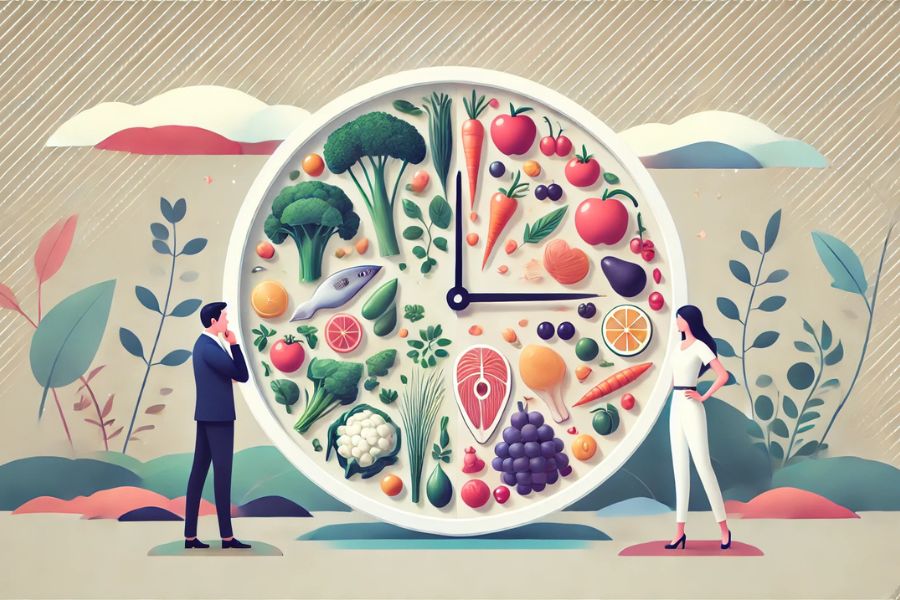
A lot of diets focus on what you are allowed to eat. Intermittent fasting flips the script and focuses on when you eat instead. If you have tried cutting calories or banning certain foods without much success, intermittent fasting might give your weight loss journey the reset it needs.
Below, you will learn how intermittent fasting works, why it can support weight loss and better health, and how to decide if it is a good fit for you.
Understand what intermittent fasting is
Intermittent fasting is an eating pattern where you alternate between periods of eating and periods of not eating. During your fasting window, you avoid calories and usually only have water, black coffee, or other calorie free drinks. During your eating window, you eat your usual meals, ideally focusing on nourishing foods.
Researchers at Johns Hopkins describe intermittent fasting as a schedule that focuses on when you eat instead of what you eat, and note that it can help with weight management and may even help prevent or reverse some diseases (Johns Hopkins Medicine).
You have flexibility to choose a fasting style that fits your day. Some people prefer a daily time restricted window. Others like having a couple of lower calorie days each week instead.
Common intermittent fasting methods
Here are some of the most popular intermittent fasting approaches and how they look in everyday life:
- 16/8 method. You fast for 16 hours and eat all your meals in an 8 hour window. Many people eat between 11 a.m. and 7 p.m. or 12 p.m. and 8 p.m. This is one of the most researched and sustainable styles (Johns Hopkins Medicine, Mass General Brigham).
- 5:2 approach. You eat normally five days a week. On two nonconsecutive days, you limit yourself to about 500 to 600 calories in one or two small meals (Johns Hopkins Medicine).
- Alternate day fasting (ADF). You alternate between regular eating days and fasting days, where you might eat about 30 percent of your usual calories (MDVIP).
- Time restricted eating with earlier hours. You eat all your food in a shorter window that starts in the morning, for example 8 a.m. to 4 p.m. A landmark study in men with prediabetes found that this type of schedule improved blood sugar control and other markers of cardiometabolic health (Harvard Chan School).
You do not need to start with long fasts. Many people begin by pushing breakfast a bit later or ending the kitchen day earlier, then gradually build up to a pattern like 16/8.
See how intermittent fasting supports weight loss
Intermittent fasting can support weight loss in a few different ways. It is not magic, but it often makes it easier for you to eat fewer calories without counting every bite.
You naturally eat fewer calories
When you shorten the time you spend eating, you usually have fewer opportunities to snack and graze. Daily intermittent fasting has been shown to help people eat roughly 250 fewer calories per day on average, which can add up to about half a pound of weight loss per week over time (Harvard Chan School).
A review of 27 intermittent fasting trials involving overweight and obese adults found that participants typically lost between 0.8 and 13 percent of their starting body weight, and that intermittent fasting worked about as well as traditional calorie restriction for weight loss. There were no serious adverse events reported in these trials (Canadian Family Physician via PMC).
In other words, intermittent fasting is another way to create a calorie deficit, but some people find it more practical than constant portion control.
Your body switches fuel sources
One of the key ideas behind intermittent fasting is something called metabolic switching. After several hours without food, your body uses up most of the sugar in your bloodstream and stored in your liver. When that supply runs low, your body starts breaking down stored fat for energy instead.
Researchers note that this fuel shift usually happens after at least 12 hours without calories, so longer fasts, such as 16 hours, give your body more time in this fat burning state (Johns Hopkins Medicine, Mass General Brigham).
This does not mean you will lose weight no matter what you eat in your eating window. It does mean that your body becomes more flexible in how it uses energy, which can complement other healthy habits, such as balanced meals and regular movement.
Your hunger hormones may steady over time
At first, you might feel more hunger while you adjust. Studies of intermittent fasting note that increased hunger is common in the early weeks, especially with patterns that involve very low calorie days (Healthline).
However, research on daily time restricted eating shows that, over time, intermittent fasting can lower levels of ghrelin, one of your main hunger hormones. This can help you feel satisfied with less food and reduce constant cravings (Harvard Chan School).
If you have tried traditional dieting that left you thinking about food all day, this hormone shift may be one reason intermittent fasting feels different once you settle into a rhythm.
Explore the health benefits beyond weight loss
You might start intermittent fasting for weight loss, but you could stay with it for the way you feel. Scientists are still learning about long term effects, yet several potential benefits are already emerging.
Better blood sugar and insulin sensitivity
Intermittent fasting has been shown to:
- Improve fasting blood sugar and insulin levels
- Reduce insulin resistance
- Support better hemoglobin A1c in people with type 2 diabetes
A review of five studies in people with type 2 diabetes found that intermittent fasting improved glycemic control and insulin sensitivity, although medication adjustments were often needed to avoid low blood sugar episodes (Canadian Family Physician via PMC). Other research notes that intermittent fasting can be particularly helpful for conditions related to insulin resistance, such as type 2 diabetes and PCOS, when used under medical guidance (Mass General Brigham).
If you are living with diabetes or taking blood sugar medications, it is essential to talk with your doctor before trying intermittent fasting so that your treatment plan can be adjusted safely.
Heart and metabolic health
Intermittent fasting may support your heart and metabolism in several ways at once. Research led by Courtney Peterson has found that intermittent fasting can:
- Lower blood pressure
- Reduce oxidative stress, which is linked to cell damage
- Improve biomarkers of aging
- Enhance circadian rhythms, your internal clock that guides many body processes (Harvard Chan School)
These changes may help reduce your risk of chronic diseases such as type 2 diabetes and heart disease over time, especially when intermittent fasting is paired with other habits like physical activity and a diet rich in whole foods.
Cellular cleanup and inflammation
On a microscopic level, intermittent fasting appears to turn on a process called autophagy. You can think of autophagy as your cells taking out the trash. Old or damaged components are broken down and recycled, which may reduce inflammation and protect healthier cells.
Much of the evidence for autophagy comes from animal and cell studies rather than long term human trials. Even so, early findings suggest that this cellular cleanup may contribute to better energy, a leaner body composition, and a lower risk of some chronic diseases (Mass General Brigham, Johns Hopkins Medicine).
Brain health and longevity
Some of the most intriguing research around intermittent fasting involves your brain. Work summarized by Johns Hopkins indicates that intermittent fasting may:
- Support learning and memory
- Protect against neurodegenerative conditions
- Improve brain cell resilience
In a review in the New England Journal of Medicine, neuroscientist Mark Mattson highlighted that intermittent fasting is associated in animal models with longer life span, improved brain function, and protection against multiple chronic diseases (Johns Hopkins Medicine).
Human studies are still evolving, so it is too early to claim guaranteed longevity benefits. However, the combination of better metabolic health, less oxidative stress, and improved circadian rhythms is promising.
In short, intermittent fasting is not only about seeing a smaller number on the scale. It is about shifting how your body manages energy in ways that may support long term health.
Know the potential downsides and who should avoid it
Intermittent fasting is not the right choice for everyone, and understanding the drawbacks will help you make a safer decision.
Short term side effects you might notice
During the first few weeks, it is common to notice:
- Hunger and food cravings
- Irritability or mood swings
- Headaches, especially if you are also cutting back on caffeine
- Fatigue or low energy
- Digestive changes such as bloating, constipation, or nausea
- Sleep disturbances
Studies have found that headaches during fasting tend to be mild to moderate and are often linked to low blood sugar or caffeine withdrawal (Healthline). A study in women fasting for 18 hours found more irritability on fasting days, although many also reported a sense of achievement afterward (Healthline).
Usually these symptoms improve as your body adapts, especially if you stay hydrated and focus on nourishing foods in your eating window.
Longer term concerns to keep in mind
Experts at Harvard Health point out that the long term safety of different intermittent fasting styles is not fully known yet. Some concerns include:
- Overeating or choosing highly processed foods during non fasting periods, which can cancel out benefits
- Possible disruption of your natural circadian rhythm, especially if you eat large meals very late at night
- Excessive weight loss in older adults, which can affect bone health, immune function, and overall energy
- Interaction with certain medications, especially for diabetes, blood pressure, or heart disease (Harvard Health Publishing)
These are not reasons to avoid intermittent fasting completely, but they are reminders to treat it as a structured health tool rather than a quick fix.
When you should not try intermittent fasting
Most experts agree that intermittent fasting is not appropriate for you if:
- You are under 18
- You are pregnant or breastfeeding
- You are underweight or have a history of an eating disorder
- You have certain medical conditions that make fasting risky
- You take medications that must be taken with food at regular intervals
In these situations, or if you have any chronic health condition, you should talk with your healthcare provider before changing your eating schedule (Johns Hopkins Medicine, Mass General Brigham, Harvard Health Publishing, Harvard Chan School).
Start intermittent fasting in a sustainable way
If intermittent fasting sounds appealing, your next step is to design a version that fits your lifestyle instead of fighting it.
Choose a schedule that fits your day
Think about your natural hunger patterns and your daily responsibilities, then pick a simple structure:
- If you prefer larger dinners or eat with your family at night, a 12 p.m. to 8 p.m. eating window might work.
- If you are a morning person, you could try an 8 a.m. to 4 p.m. window, which has been linked with better blood sugar and blood pressure in some studies (Harvard Chan School).
- If your weekdays and weekends look very different, you can start by fasting on weekdays only and staying flexible on weekends.
You do not have to commit forever. Start with a trial period of two to four weeks, then assess how you feel.
Focus on what you eat when you do eat
Intermittent fasting does not tell you exactly what to put on your plate, but the quality of your food still matters. To support weight loss and health, aim for:
- Plenty of vegetables and fruits
- Lean protein such as poultry, fish, tofu, or beans
- Whole grains like oats, quinoa, or brown rice
- Healthy fats from nuts, seeds, olive oil, and avocado
Nutrition experts emphasize that intermittent fasting works best when you pair it with a nutrient dense, whole foods pattern rather than using it as an excuse for overeating or highly processed foods during your eating window (Mass General Brigham, Healthline).
Make the adjustment period easier
You can make your first weeks of intermittent fasting more comfortable with a few simple habits:
- Drink water regularly during your fasting window to reduce headaches and fatigue.
- Have black coffee or unsweetened tea if you enjoy them and your doctor has no objections.
- Plan satisfying meals with protein, fiber, and healthy fats to help you stay full longer.
- Keep busy during your usual snacking times so you are not focused on the clock.
- Ease in gradually, for example by starting with a 12 hour overnight fast and extending it by 30 to 60 minutes every few days.
If side effects are severe or do not improve, it is a sign to adjust your approach or try a different strategy.
Bring it all together for your weight loss journey
Intermittent fasting can be a powerful addition to your weight loss toolkit. By limiting the hours you eat, you often take in fewer calories, give your body more time to tap into stored fat, and may improve blood sugar, blood pressure, and other health markers. Research so far suggests that intermittent fasting is about as effective as traditional calorie restriction for weight loss and may offer extra benefits for your brain and metabolism (Canadian Family Physician via PMC, Johns Hopkins Medicine).
It is not the only way to lose weight and it is not suitable for everyone. If you have medical conditions, take medications, or have a history of disordered eating, talk with your healthcare provider before you make changes.
If you are ready to experiment, start small. Choose a simple fasting window, keep your meals nourishing, and give your body time to adjust. Your goal is not a perfect schedule, it is a routine you can live with that steadily moves you toward better health.