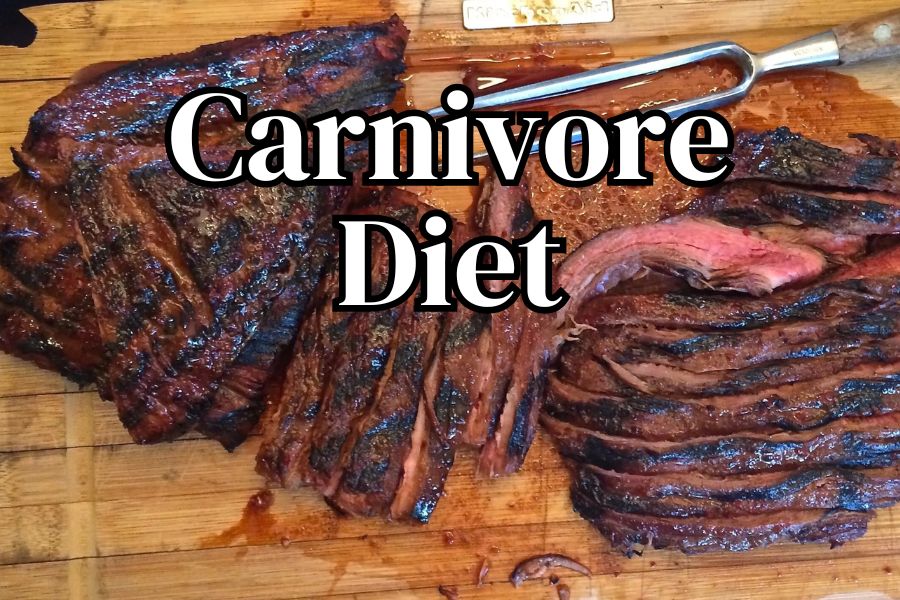
A carnivore diet can look deceptively simple. You eat meat, eggs, maybe some dairy, skip everything else, and the scale might start to move. But before you go all in, it helps to understand the most common carnivore diet side effects, how serious they might be, and what you can realistically do about them.
Below, you will find a clear, research informed overview so you can weigh the potential benefits against the risks for your own body and health history.
What the carnivore diet actually is
On a strict carnivore diet you eat only animal products. That usually means:
- Meat, especially red meat
- Fish and seafood
- Eggs
- Some dairy like cheese and butter
You avoid all plant foods. That includes fruits, vegetables, whole grains, beans, lentils, nuts, and seeds. There are essentially no carbohydrates in a classic carnivore plan, which is why it is often described as a “zero carb” diet (Baylor Scott & White Health, Cleveland Clinic).
This level of restriction is what creates many of the potential side effects. You are taking in a lot of saturated fat, protein, and salt, while cutting fiber and plant based vitamins almost completely (Baylor Scott & White Health).
Short term side effects you might notice first
When you first switch to a carnivore diet, your body has to adjust from running mainly on carbohydrates to relying on fat and protein. That transition can bring a collection of early side effects.
Commonly reported issues include:
- Constipation or diarrhea
- Nausea
- Strong cravings for carbs
- Muscle cramps
- Bad breath
- Heart palpitations
- Irritability, headaches, or feeling “foggy”
These early changes are tied to water loss, electrolyte shifts, and the sudden lack of fiber, plus the increase in dietary fat (Carnivore Snax). Your gut microbiome also gets a shock because the bacteria that thrive on plant fibers no longer have their usual fuel.
Interestingly, a 2020 survey of 2,029 people who reported following a carnivore diet for about 14 months found that only a small percentage reported ongoing adverse symptoms such as diarrhea, constipation, muscle cramps, or skin changes, usually under 6 percent for each category (Current Developments in Nutrition). That study, however, relied on self reporting, and people who quit the diet early because they felt bad were not included, so the results may look more positive than reality for the average person.
If you decide to test a carnivore style approach, staying hydrated and paying attention to electrolytes such as sodium, potassium, and magnesium may soften some of these early side effects (Carnivore Snax).
Digestive issues and gut health
One of the most predictable carnivore diet side effects is a change in your digestion. At first, you might even feel better. Less gas, less bloating, and fewer trips to the bathroom are common reports when people suddenly cut beans, grains, and vegetables.
Over time, the lack of fiber usually tells a different story.
Constipation, diarrhea, and colon health
Fiber does several jobs for your gut:
- Adds bulk and softness to your stool
- Helps you go to the bathroom more regularly
- Feeds beneficial bacteria that support gut health
On carnivore, fiber is almost nonexistent. While that can temporarily reduce gas and bloating, it often leads to constipation and other digestive issues when you stay on the diet longer (Baylor Scott & White Health). A fiber free pattern may also raise your risk of colon cancer and make it harder to manage cholesterol and blood sugar (Baylor Scott & White Health).
Impact on your gut microbiome
Your gut bacteria thrive on plant fibers and convert them into short chain fatty acids that help protect your gut lining and support your immune system. Without that fiber, microbial diversity tends to drop, and that is usually linked with poorer digestion, lower immunity, and possible changes in mood and mental health (The Gut Health Doctor).
Experts in gut health generally recommend a balanced diet with both plant and animal based foods if you want a robust, diverse microbiome over the long term (The Gut Health Doctor).
Heart and cholesterol concerns
When you follow a carnivore diet, most of your calories come from meat and animal fats. That often means a lot of saturated fat, cholesterol, and sodium, especially if you favor red meat and processed meats like bacon and sausage.
How your cholesterol profile can change
Several medical organizations and researchers have pointed to consistent links between high red meat intake and higher risks of heart disease and overall mortality (Medical News Today). Saturated fat and cholesterol heavy foods raise LDL cholesterol, the “bad” type that can narrow your arteries and increase the risk of heart attack or stroke (Baylor Scott & White Health).
A social media survey of people on the carnivore diet found that the group had significantly elevated LDL levels, with high HDL cholesterol and low triglycerides at the same time (Current Developments in Nutrition). Some see this as reassuring, but the long term impact of very high LDL in this pattern is still uncertain, and cardiology organizations continue to treat high LDL as a clear risk factor.
Processed meats add another concern, since they tend to be high in salt, which can raise blood pressure and increase the risk of heart attack and stroke. In the United Kingdom, for example, national health guidance suggests keeping red and processed meats under 70 grams per day to protect heart health (British Heart Foundation).
Heart disease risk over time
Because the carnivore diet removes most heart protective foods like fruits, vegetables, whole grains, and legumes, you miss out on fiber, antioxidants, and plant compounds that help reduce heart disease risk. Medical experts in cardiology and nutrition generally advise a more balanced approach and note that safer, evidence backed patterns like the Mediterranean or DASH diets are better choices if heart protection is a top priority (Baylor Scott & White Health, Medical News Today).
Kidney, liver, and cancer risks
It is easy to focus only on the number on the scale, but your kidneys, liver, and even long term cancer risk are part of the equation too.
Strain on your kidneys and liver
High protein diets increase the workload on your kidneys because your body has to process more nitrogen waste from protein metabolism. If you already have reduced kidney function or a history of kidney issues, a carnivore diet can add stress and may not be safe without close medical supervision (Baylor Scott & White Health).
Your liver is also involved in handling protein and fat metabolism. Very high intakes of animal protein and fat can potentially add strain, especially if you have existing liver conditions (Baylor Scott & White Health).
Links to colon and other cancers
Multiple large analyses have linked frequent red and processed meat intake with higher risks of colon and rectal cancer, and possibly other cancers as well (Medical News Today, Baylor Scott & White Health). Because the carnivore diet encourages eating red meat daily and often in large portions, that pattern may magnify this risk over time.
Combine that with the complete lack of fiber, which normally helps move waste through your colon and has been associated with lower colon cancer risk, and you have several factors that point in the same concerning direction (British Heart Foundation).
Nutrient deficiencies to watch for
By cutting every plant food, you also give up many important vitamins, minerals, and protective plant compounds.
Potential deficiencies include:
- Vitamin C
- Vitamin A (in plant based forms)
- Some B vitamins
- Potassium and magnesium
- Fiber
Medical sources point out that missing whole food groups makes deficiencies more likely and may increase the risk of conditions like heart disease, type 2 diabetes, and even Alzheimer’s over time (Baylor Scott & White Health, Cleveland Clinic).
Some carnivore followers try to fill these gaps with organ meats, seafood, or supplements, which can help in some areas, but that approach has not been studied in long term, controlled trials. Most of the positive reports are still anecdotal, and major institutions like the Cleveland Clinic currently advise against a strict carnivore pattern in favor of a diet that keeps variety and plant foods in the mix (Cleveland Clinic).
In a 2021 survey of carnivore dieters, 95 percent of participants said they felt their overall health improved, but the study did not include medical verification and missed people who likely stopped because of negative effects, so the results give only a partial picture (Medical News Today, Current Developments in Nutrition).
Balancing possible benefits with realistic risks
You may have heard impressive success stories from people on the carnivore diet. Some report:
- Fast weight loss
- Lower blood sugar
- Less joint pain or inflammation
- Clearer thinking
There is some early evidence that people who stick with the diet can feel better in the short term, but most of those reports come from self selected groups rather than rigorous clinical trials (British Heart Foundation, Cleveland Clinic). At the same time, well established risks such as higher LDL cholesterol, missing fiber, possible nutrient gaps, and cancer associations are real concerns.
When you weigh the possible upsides and downsides, consider:
- Your personal and family history of heart disease, stroke, kidney disease, and cancer
- Whether you can see yourself maintaining this level of restriction beyond a few months
- How comfortable you are with a diet that has limited long term research and relies heavily on self reports
Most experts recommend talking with your doctor or a registered dietitian before making a shift this extreme, especially if you take medications or have any chronic health conditions (Medical News Today, Cleveland Clinic).
If you are still curious, what to do next
If you are drawn to some aspects of the carnivore diet, you do not have to jump straight into a meat only plan to see progress.
You can:
- Start by reducing ultra processed foods and sugary snacks while keeping vegetables and some whole grains
- Try a less restrictive, lower carb pattern that still includes fiber rich plants
- Focus on higher quality proteins such as lean meats, fish, and eggs paired with plenty of produce
If you do decide to experiment with a carnivore phase, it is wise to:
- Get baseline blood work, including cholesterol, kidney, and liver markers
- Plan how you will cover nutrients like vitamin C, potassium, and magnesium
- Monitor your digestion, energy levels, and mood week by week
- Schedule follow up labs if you stay on the diet longer than a short trial
Understanding carnivore diet side effects puts you in a stronger position. Instead of relying on headlines or dramatic testimonials, you can make a choice that matches your goals, your health history, and your comfort level with risk.
You do not have to eat only meat to lose weight or improve your health. A balanced, mostly whole food diet that you enjoy and can sustain will almost always serve you better in the long run than any extreme, all or nothing plan.